Bentonite Script: A Modern Calligraphy Font for Elegant Design
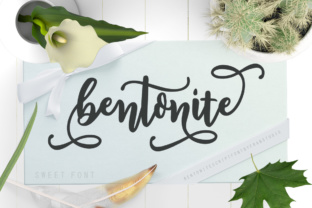
Bentonite Script is a modern calligraphy font that brings the timeless beauty of hand-drawn lettering into digital design. With its smooth lines and varying baseline, it offers a unique blend of elegance and versatility that can elevate a wide range of creative projects. Whether you're designing a logo, crafting wedding invitations, or creating a signature for a professional document, Bentonite Script provides a refined aesthetic that stands out without being overly ornate.
Understanding the Characteristics of Bentonite Script
Bentonite Script distinguishes itself through its fluidity and organic feel. Unlike many traditional serif or sans-serif fonts, it mimics the natural flow of handwriting, giving each character a slightly different appearance depending on how it's used. This variation in baseline height adds visual interest and helps prevent text from appearing too rigid or uniform.
The font's design also emphasizes legibility while maintaining an artistic flair. The strokes are carefully balanced to ensure that even at smaller sizes, the characters remain readable. This makes Bentonite Script suitable not only for decorative elements but also for body text in certain contexts where a more personal touch is desired.
Comparing Bentonite Script with Similar Fonts
When evaluating Bentonite Script against other calligraphy-style fonts, it's important to consider factors like style, readability, and adaptability. Fonts such as Brush Script MT or Garamond Premier Pro offer similar hand-drawn aesthetics, but each has its own nuances.
Brush Script MT, for example, has a more exaggerated, freehand look that may be better suited for casual or informal designs. In contrast, Bentonite Script maintains a cleaner, more structured appearance that works well in both formal and contemporary settings. This subtle difference can influence which font is more appropriate for a specific project.
Garamond Premier Pro, while elegant, is a serif font that leans more toward traditional typography rather than the expressive nature of Bentonite Script. For designers seeking a balance between classic and modern, Bentonite Script offers a compelling alternative.
Strengths and Tradeoffs of Using Bentonite Script
One of the key strengths of Bentonite Script is its ability to convey personality and sophistication. It's particularly effective in branding and marketing materials where a memorable and distinctive visual identity is crucial. Its use in logos, for instance, can help create a strong first impression that aligns with a brand's values and tone.
However, there are tradeoffs to consider. Because of its calligraphic nature, Bentonite Script may not be the best choice for long-form text or highly technical documents. The variations in stroke width and baseline can make reading extended passages more challenging, especially for audiences who prefer consistency in typeface design.
Additionally, while Bentonite Script is available in multiple weights and styles, it may not have the same level of customization as some other premium font families. Designers looking for extensive typographic options might need to explore additional tools or complementary fonts to achieve their desired outcome.
Best-Fit Situations for Bentonite Script
Bentonite Script shines in scenarios where a touch of elegance and individuality is needed. Here are a few common applications where this font excels:
- Headings and Titles: Its bold, expressive characters make it ideal for drawing attention to section headers or main titles in websites, magazines, or presentations.
- Signatures and Sign-offs: The font's hand-drawn quality gives signatures a personal and authentic feel, making it popular among professionals who want to add a unique touch to emails or documents.
- Wedding Invitations and Stationery: The romantic and classic appeal of Bentonite Script makes it a favorite choice for wedding-related designs, from invitations to thank-you cards.
- Logos and Branding: When paired with a clean sans-serif font, Bentonite Script can serve as a stylish accent in logos, helping to communicate a brand’s creativity and attention to detail.
When to Consider Alternatives
While Bentonite Script is versatile, there are situations where another font might be more appropriate. For instance, if a design requires high readability across large blocks of text, a more conventional serif or sans-serif font would likely be a better choice. Similarly, for projects that demand a minimalist or futuristic look, a geometric sans-serif font could provide a more fitting aesthetic.
Designers working on multilingual projects should also take note of Bentonite Script's language support. While it covers a broad range of languages, some specialized scripts or characters may not be included, which could be a limitation in certain international contexts.
Practical Tips for Using Bentonite Script
To get the most out of Bentonite Script, consider the following tips:
- Pair with Complementary Fonts: Use Bentonite Script alongside a simpler, more structured font to maintain visual harmony. This approach ensures that the design remains legible while still benefiting from the script's charm.
- Adjust Spacing and Kerning: Due to its varying baseline, careful adjustment of spacing and kerning may be necessary to ensure that text appears balanced and cohesive.
- Use in Moderation: While Bentonite Script can add a nice touch, overusing it may detract from the overall design. Reserve it for headings, accents, or short phrases rather than using it for entire paragraphs.
- Test Across Devices: Always check how the font renders on different screens and devices to ensure that it maintains its intended appearance and readability.
Bentonite Script is a valuable addition to any designer's toolkit, offering a unique combination of elegance and functionality. By understanding its strengths, limitations, and best-fit applications, designers can make informed decisions about when and how to incorporate it into their work. As with any design element, the key is to use it thoughtfully and purposefully to enhance the overall message and aesthetic of the project.