Tube Script: Embracing the Beauty of Imperfect Handwriting
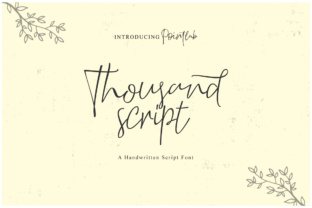
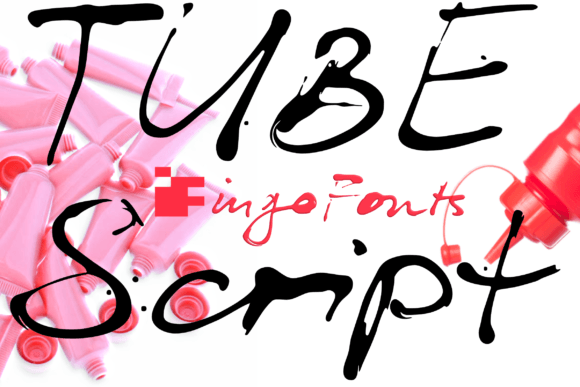
Tube Script is a unique typeface that mimics the look and feel of individual handwriting, but with a twist. Unlike traditional fonts that offer uniformity and precision, Tube Script captures the essence of organic, spontaneous writing. It’s created using a tube filled with color, where each stroke can vary in thickness and form based on how hard the tube is pressed. This results in a dynamic, almost unpredictable style that feels more like a personal expression than a standard typographic design.
The result is a font that appears handwritten, yet it's not truly handwritten. Instead, it's designed to evoke the irregularities and spontaneity of real-life pen strokes. Lines can be delicate or thick, smudged or broken, making each letter appear slightly different every time it's used. This variability gives Tube Script a natural, almost artistic quality that sets it apart from other typefaces.
Understanding the Characteristics of Tube Script
Tube Script is defined by its irregular forms, which are intentionally designed to mimic the imperfections of human handwriting. The use of a tube pen allows for a range of effects—thin lines, bold strokes, smears, and breaks—that create an organic visual texture. These characteristics make Tube Script ideal for projects that require a personal, handmade, or artistic touch.
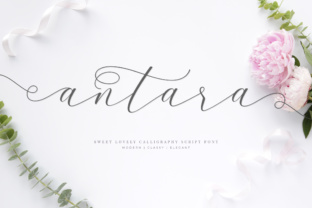
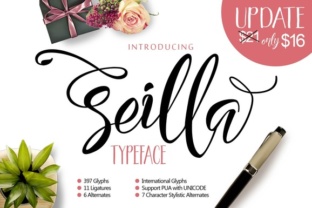
One of the most distinctive features of Tube Script is its use of ligatures. Ligatures are special characters that combine two or more letters into a single glyph, often for aesthetic or typographic purposes. In Tube Script, these ligatures ensure that letters appear in different forms depending on their combination, adding to the font's uniqueness and variety.
Additionally, users can access alternative character forms through OpenType features. These features allow for even more customization, enabling designers and writers to tailor the appearance of the text to fit specific needs or creative visions.
When to Use Tube Script
Tube Script is particularly well-suited for situations where a more personal or artistic feel is desired. It works beautifully in contexts such as:
- Creative projects: Whether you're designing a poster, creating a logo, or working on a digital illustration, Tube Script adds a unique, handcrafted element that stands out.
- Handwritten-style communication: If you want your message to feel more personal, using Tube Script in emails, invitations, or social media posts can help convey warmth and authenticity.
- Artistic branding: For businesses or artists looking to establish a distinct identity, Tube Script can be a powerful tool to express creativity and individuality.
- Experimental typography: Designers who enjoy pushing the boundaries of traditional typography will find Tube Script to be an exciting choice for exploring new visual styles.
Its versatility makes it suitable for both digital and print applications. From website headers to printed materials, Tube Script can add a sense of movement and life to any project.
Challenges and Considerations
While Tube Script offers many benefits, it also presents some challenges. Because of its irregular nature, it may not be the best choice for projects that require high readability or consistency. For example, using Tube Script in body text for long articles or formal documents could make the text difficult to read due to its varying line weights and unpredictable spacing.
Another consideration is legibility. While the font is visually appealing, its irregular forms may cause confusion if not used carefully. It's important to test how Tube Script looks in different sizes and contexts before finalizing a design.
Despite these challenges, the key to successfully using Tube Script lies in understanding when and how to apply it. It works best when used sparingly or in combination with more conventional fonts. Pairing it with a clean, readable sans-serif or serif font can enhance its visual impact while maintaining overall clarity.
Practical Applications and Outcomes
Many designers and content creators have found innovative ways to incorporate Tube Script into their work. Here are a few examples of how it has been used effectively:
- Invitations and event designs: Tube Script is often used in wedding invitations, birthday cards, and event flyers to give them a more personal and artistic flair.
- Brand logos and identities: Startups and creative agencies use Tube Script to craft logos that stand out and reflect a unique brand voice.
- Digital art and illustrations: Artists use Tube Script in digital paintings and illustrations to add texture and depth to their work.
- Social media and marketing: Influencers and marketers leverage Tube Script in social media posts and promotional materials to create a more engaging and authentic look.
These applications highlight how Tube Script can be used to achieve specific goals, whether it's to create a more personal connection with the audience or to add a creative edge to a design.
How Different Users Approach Tube Script
Depending on the user's background and goals, approaches to using Tube Script can vary significantly. A designer might focus on leveraging its visual appeal for branding and advertising, while a writer might use it to add a personal touch to their blog or newsletter.
For beginners, starting with simple applications such as headings or short phrases can be a good way to get familiar with the font. More experienced users can experiment with combining it with other fonts or using OpenType features to explore its full potential.
No matter the approach, the key is to embrace the unique qualities of Tube Script and use them creatively to achieve the desired outcome.
In conclusion, Tube Script is more than just a font—it's a tool for expressing individuality and creativity. Whether you're a designer, artist, or content creator, it offers a fresh perspective on typography that can elevate your work and make it stand out in a sea of uniformity.