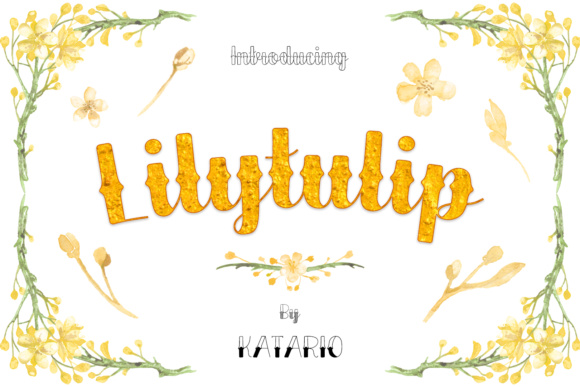
Lilytulip Script: A Vintage-Elegant Font for Creative Design
The Lilytulip Script is a distinctive typeface that blends vintage charm with modern elegance, making it a popular choice among designers and creatives. This script font offers a unique visual appeal that can elevate various design projects, from branding to digital content. Understanding its features, strengths, and potential use cases can help you determine whether it's the right fit for your needs.
What Makes Lilytulip Script Unique?
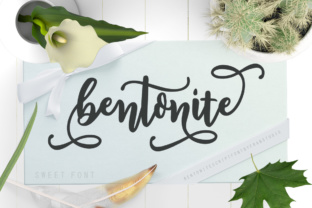
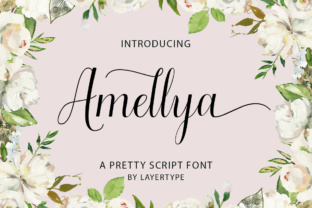
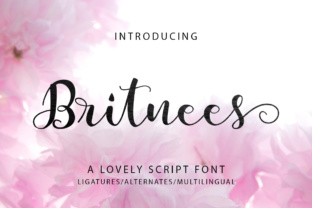
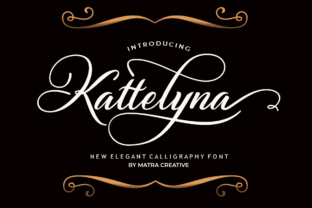
Lilytulip Script stands out due to its graceful curves and flowing lines, which evoke a sense of nostalgia while maintaining a refined aesthetic. Unlike more ornate or overly decorative scripts, this font strikes a balance between readability and style. Its letterforms are carefully crafted to ensure legibility even at smaller sizes, making it versatile for both print and digital media.
One of the key characteristics of Lilytulip Script is its subtle variation in stroke weight. This adds depth and dimension to the text without overwhelming the reader. The font also includes a range of stylistic alternates, allowing designers to customize their text further depending on the context and desired effect.
Comparing Lilytulip Script with Similar Fonts
When considering script fonts, several alternatives come to mind, each with its own set of strengths and limitations. For instance, Brush Script MT is another well-known script font, but it tends to be more casual and less formal than Lilytulip Script. While Brush Script MT is excellent for informal designs such as greeting cards or social media posts, it may not be suitable for professional branding or formal documents.
Great Vibes is another elegant script font that shares some similarities with Lilytulip Script. However, Great Vibes has a slightly bolder appearance and is often used for wedding invitations or logos where a stronger visual impact is desired. In contrast, Lilytulip Script offers a more understated elegance, making it ideal for situations where subtlety is preferred.
For those looking for a more cursive option, Playfair Display could be an alternative. While Playfair Display is a serif font, it has a script-like quality that makes it suitable for headings or titles. However, it lacks the fluidity and organic feel of Lilytulip Script, which may be important for certain design applications.
Strengths and Tradeoffs of Lilytulip Script
One of the main strengths of Lilytulip Script is its versatility. It can be used in a wide range of design contexts, including logos, packaging, website headers, and even editorial layouts. Its vintage-inspired design gives it a timeless quality that can appeal to a broad audience.
Another advantage is its compatibility with different platforms and software. Whether you're working in Adobe Illustrator, Photoshop, or even online design tools like Canva, Lilytulip Script should integrate smoothly into your workflow. Additionally, many versions of this font include multilingual support, which is beneficial for international projects.
However, there are also tradeoffs to consider. Like many script fonts, Lilytulip Script may not be the best choice for long blocks of text. Due to its stylized nature, reading large amounts of text in this font can become visually tiring. Therefore, it's generally recommended to use it sparingly or pair it with a more readable sans-serif or serif font for body text.
Another consideration is the learning curve associated with using script fonts effectively. Because of their irregular shapes and variations, they require careful spacing and kerning to look polished. Designers who are new to working with script fonts may need to invest time in mastering these techniques to achieve the best results.
Best-Fit Situations for Lilytulip Script
Lilytulip Script shines in scenarios where a touch of elegance and sophistication is needed. It works particularly well for branding elements such as logos, business cards, and stationery. The font's vintage flair makes it an excellent choice for boutique shops, artisanal products, or any brand aiming to convey a classic, handcrafted feel.
In the realm of digital design, Lilytulip Script can enhance website headers, call-to-action buttons, and promotional banners. When used appropriately, it can draw attention and create a memorable visual impression. For example, a boutique clothing store might use Lilytulip Script for its website header to evoke a sense of luxury and exclusivity.
Event invitations and wedding materials are other areas where Lilytulip Script excels. Its delicate yet refined appearance complements themes that emphasize romance, tradition, or nostalgia. Whether you're designing save-the-date cards or place cards for a reception, this font can add a personal and artistic touch to your creations.
When to Consider Alternatives
While Lilytulip Script is a strong contender in the world of script fonts, there are instances where it may not be the optimal choice. If your project requires high levels of readability across large amounts of text, a more conventional serif or sans-serif font would be more appropriate. Script fonts are generally better suited for short phrases, headlines, or accents rather than extended paragraphs.
Additionally, if your target audience prefers a more modern or minimalist aesthetic, you might want to explore other options. Fonts like Montserrat or Open Sans offer clean, contemporary looks that can be more aligned with current design trends. These fonts are also easier to read on screens, which is crucial for websites and mobile interfaces.
For projects that require a highly customizable or animated font, you might consider web-safe fonts or dynamic typography solutions. While Lilytulip Script is available in various formats, including webfonts, it may not be as flexible when it comes to animation or interactive effects compared to some newer digital font technologies.
Practical Examples and Comparisons
To illustrate how Lilytulip Script compares with other fonts, let's consider a few practical examples. Imagine designing a logo for a new coffee shop. Using Lilytulip Script for the shop name would give it a warm, inviting feel that aligns with the cozy atmosphere of a café. In contrast, using a bold sans-serif font like Helvetica Bold would create a more modern and industrial look, which might not be as fitting for this particular concept.
Another example is a book cover design. If the book is a historical novel, Lilytulip Script could be used for the title to reinforce the vintage theme. On the other hand, if the book is a science fiction novel, a futuristic font like Orbitron might be more appropriate to reflect the genre's tone and style.
When creating a marketing brochure for a luxury skincare brand, Lilytulip Script can be used for the headline to communicate elegance and exclusivity. However, for the body text, a more legible serif font like Georgia would be preferable to ensure that the information is easy to read and digest.
Conclusion
Lilytulip Script is a versatile and stylish font that can enhance a variety of design projects. Its vintage elegance and refined details make it a compelling choice for those seeking to add a touch of sophistication to their work. However, it's important to consider the specific requirements of your project and choose a font that aligns with your goals, audience, and overall design vision.
Whether you're designing a logo, crafting event invitations, or enhancing a website, understanding the strengths and limitations of Lilytulip Script will help you make an informed decision. By comparing it with other similar fonts and evaluating its suitability for your needs, you can ensure that your final design is both aesthetically pleasing and functionally effective.